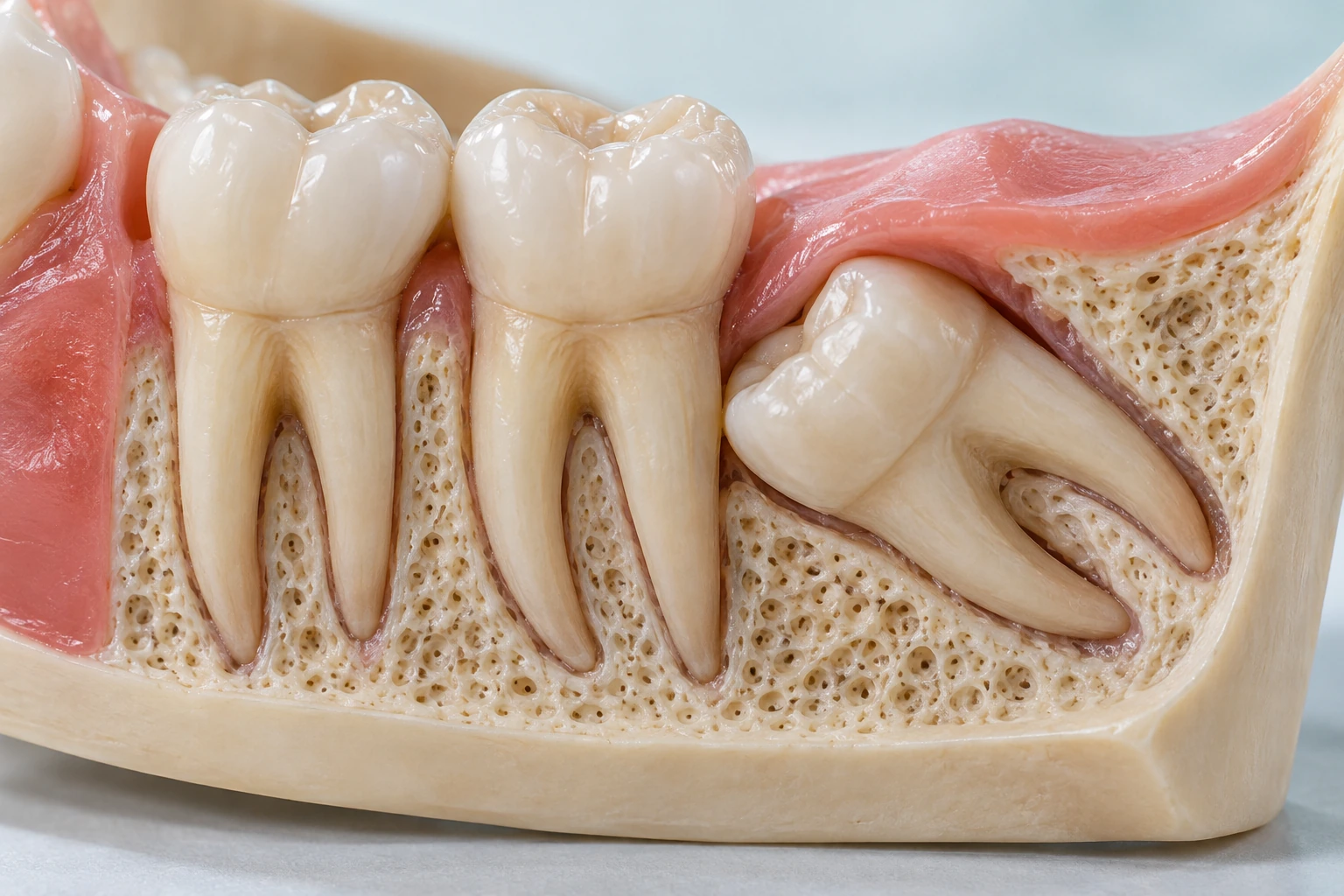
Start with an assessment
A wisdom tooth that is healthy and causing no problems may be monitored. Removal may be considered when it is linked to pain, repeated infection, decay or other disease. A dentist examines the area and may use an X-ray to understand its position.
What removal may involve
Local anaesthetic is commonly used. Some teeth need a more involved procedure, and referral may be appropriate. Ask the clinician to explain the approach and personal risks, including infection, dry socket and possible nerve injury.
Plan for recovery
Follow the instructions from your treating clinician, choose soft foods initially and avoid smoking. Seek prompt dental care for bleeding that will not stop, severe or worsening pain or swelling, or fever.
Questions to bring
- What is the reason to remove or monitor this tooth?
- What recovery arrangements should I make?
- What does the proposed fee include?
Source checked 22 October 2026. Overseas health information informs this draft; service arrangements and fees must be confirmed with Nodus.